
In the opening lines of Gospel of John, John the Baptist arrives not as the light, but as the witness. His purpose is simple and singular: to help others see. And as we learned last week, we are called to do the same.
Yet I find myself struggling to fulfill this calling every day.
Because when it comes to testifying about God, there’s often this quiet but persistent voice: Who do you think you are?
Not qualified. Not articulate enough. Not “spiritual” enough. At times, it feels like I’m playing a role I haven’t earned—like eventually someone will realize I’m an imposter.
Maybe you’ve felt that too. That hesitation that creeps in right when there’s an opportunity to speak. That instinct to shrink back, to let someone “more equipped” say the thing instead.
I see it play out every week in my Sabbath School class. There are regularly at least 30 people who attend—thoughtful, insightful, deeply engaged people—and yet, when it comes time to speak, it’s often the same 6 or 7 voices we hear from. I don’t think it’s because the others have nothing to say. If anything, I suspect it’s that same quiet question rising up: Who am I to say this out loud?
Scripture is full of people asking that exact question, yet going forward anyway.
Moses: Who am I that I should go?
Gideon: My clan is the weakest… and I am the least.
Jeremiah: I do not know how to speak; I am too young.
And it’s not just the men. Scripture is also full of women who stepped forward with boldness, even when the cost was high.
Esther risked her life to speak truth in a king’s court.
Deborah led with wisdom and authority in a dark & violent time.
The Samaritan woman runs back to her people and evangelised a whole town.
It seems that feeling inadequate isn’t a disqualifier—it’s a norm.
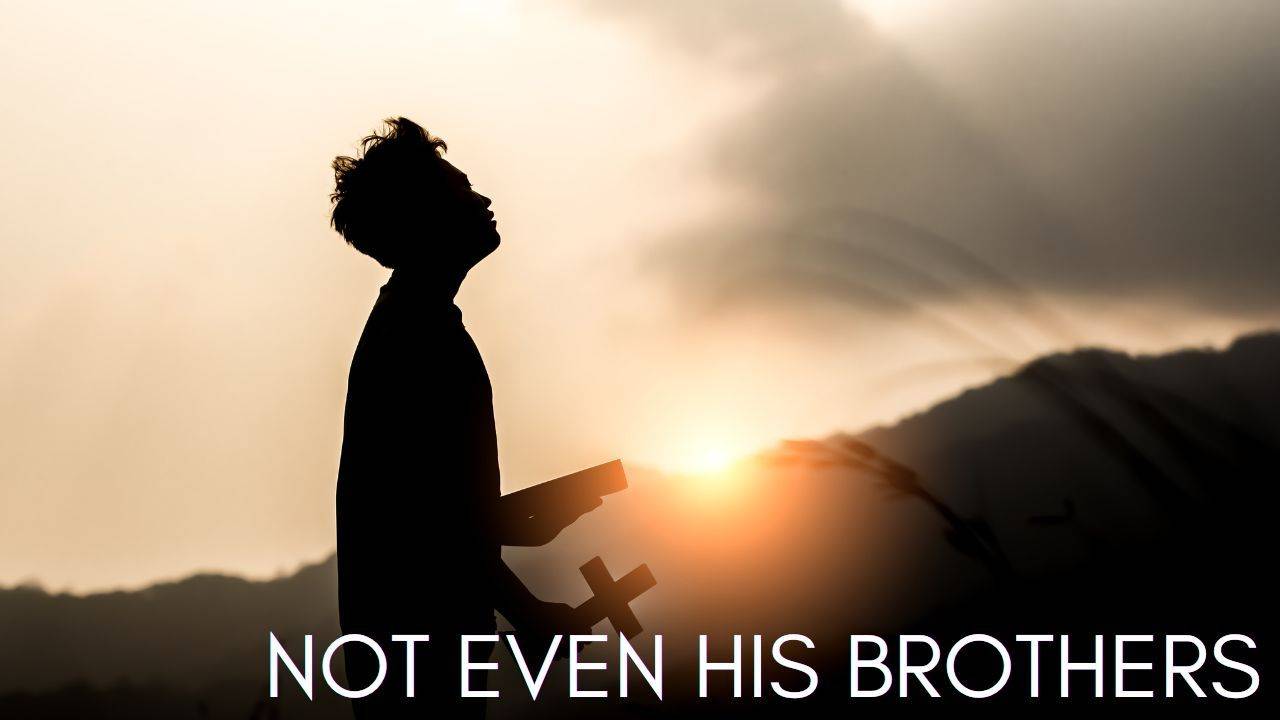
But testimony isn't meant to come from a place of self-confidence. It comes from humble obedience.
And that obedience lead to a whole nation delivered from slavery, a people saved from genocide, a town converted to belief in Jesus.
We must shift our mindset away from Who am I to say these things? to because of who He is, I cannot stay silent.
Like John, our boldness isn't rooted in who we are, but in clarity about who Jesus is. We I don’t have to carry the weight of being impressive or persuasive or perfectly put together. It’s not a performance; it’s a response.
The trick isn't to feel more qualified before we speak, it's to speak anyway.
To resist the instinct to disqualify ourselves.
To make space for more than just the same few voices.
To recognize that the same God who called hesitant, uncertain people all throughout Scripture—men and women alike—is still calling us as witnesses today.
Not because we have it all together—
but because we’ve seen the Light.
And like John, that’s enough.
New Series on The Gospel of John
 |




Responses